2021/04/07
Pros & Cons: Pneumatic, Hydraulic, and Electric Actuators
News and Articles
Introduction
The demand for actuators has grown significantly across nearly every industry. From industrial automation and medical equipment to ergonomic furniture and heavy machinery, actuator systems play a critical role in enabling controlled motion.
The three primary types of actuator systems – pneumatic, hydraulic, and electric – each offer distinct advantages and limitations. While many assumptions about these technologies still persist, advances in engineering and manufacturing have blurred the lines between their traditional applications. In many cases, applications that once relied exclusively on pneumatic or hydraulic systems can now benefit from modern electric actuator technology.
Before selecting the right solution, it is important to understand how each actuator type operates and where its strengths are best applied.
Further Reading: Introduction- Get The Essential Facts About Actuators
What Are The 3 Types Of Actuators?
Actuators convert energy into physical motion to power automated systems. The three primary types — pneumatic, hydraulic, and electric — use distinct energy sources to deliver unique strengths in force, precision, and control.
Pneumatic Linear Actuators
Pneumatic linear actuators use compressed air to generate linear motion. They consist of a piston housed inside a cylinder, powered by either an external compressor or manual pump. As air pressure increases, the piston moves along the cylinder axis to create linear force. The actuator then returns to its original position either through spring force or by applying pressure to the opposite side of the piston.
Hydraulic Linear Actuators
Hydraulic linear actuators operate similarly to pneumatic actuators but use pressurized, incompressible fluid instead of air. These systems typically include a pump, control valves, and a piston mechanism to generate high-force linear motion. Hydraulic systems are commonly used in applications requiring substantial load capacity and durability.
Electric Linear Actuators
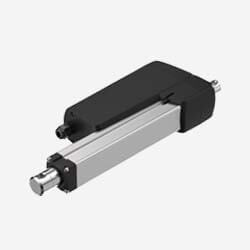
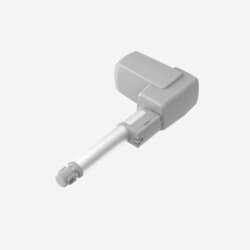
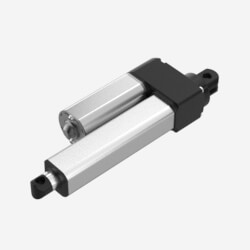
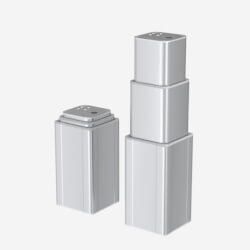
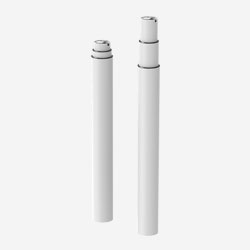
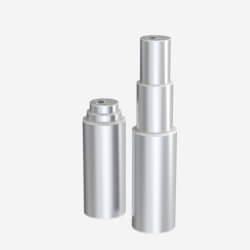
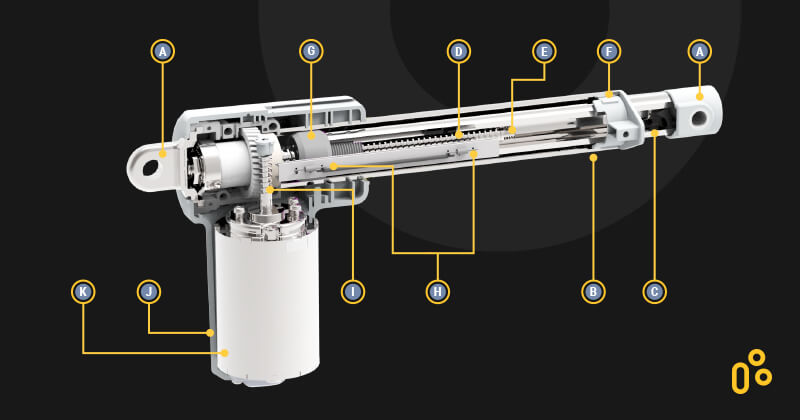
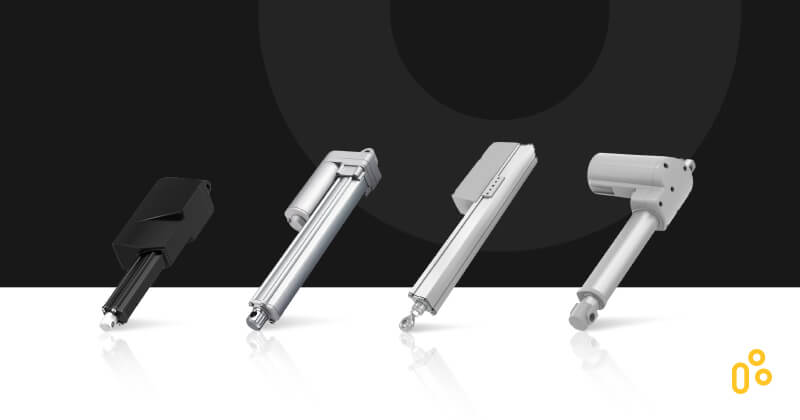
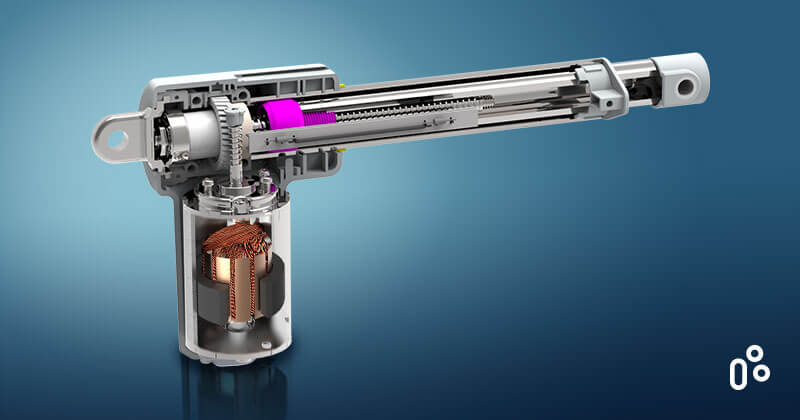
Electric linear actuators – also referred to as electric cylinders or electric lift cylinders – convert rotational motor force into linear motion. A motor drives a screw mechanism, causing the nut assembly to move along the actuator shaft and create push/pull motion. Electric actuators offer precise positioning, programmable control, and simplified integration with automation systems.
MA3 |
TA52 |
TA16S |
 |
 |
 |
TL51P |
TL6 |
TL56 |
 |
 |
 |
Comparing Pneumatic, Hydraulic, and Electric Linear Actuators
Each actuator technology offers unique benefits depending on the application requirements. Modern advancements have also made these technologies more interchangeable than ever before, allowing engineers greater flexibility when selecting the option motion solution.
Further Reading: Why Use Electric Lifting Columns For Your Equipment Automation?
Advantages And Drawbacks Of Pneumatic, Hydraulic, And Electric Linear Actuators
Each actuator technology presents distinct trade-offs in force, precision, and operational costs. The comparison below evaluates key performance metrics across pneumatic, hydraulic, and electric systems to help identify the optimal drive solution for your application.
|
Characteristics |
Pneumatic |
Hydraulic |
Electric |
|
Control Complexity |
Low |
Medium |
High |
|
Peak Power |
Medium |
High |
Medium |
|
Position Accuracy |
Low |
Medium
|
High
|
|
Speed |
High |
Medium |
High |
|
Acceleration |
High |
High |
Medium |
|
Load |
Low |
High |
Medium
|
|
Lifetime |
Moderate |
Long |
Long |
|
Acceleration |
Very high |
Very high |
Moderate |
|
Utilities |
Compressor. power, pipes |
Pump, power, pipes |
Power only |
|
Installation Space |
Low |
High |
Low |
|
Shock Loads |
High |
High |
Low
|
|
Noise
|
High
|
Medium
|
Low
|
|
Environmental Impact |
Medium
|
High
|
Low
|
|
Energy Efficiency |
Low
|
Medium
|
High |
|
Purchase Cost |
Low |
High |
Low |
|
Reliability |
Excellent |
Good |
Good |
|
Maintenance |
Low
|
High
|
Low to none |
8 Key Advantages of TiMOTION Electric Actuators
TiMOTION electric actuators deliver clean, precise, and reliable linear motion tailored for modern automation systems. Below are eight key advantages that make TiMOTION a trusted choice for customizable motion control solutions worldwide.
Precise Motion Control
Deliver accurate positioning, smooth movement, and synchronized operation.
Quiet Operation
Provide low-noise performance ideal for indoor and noise-sensitive environments.
Durable Protection
Available with a wide range of IP ratings and rugged designs suitable for demanding environments.
Clean & Eco-Friendly
Operate without hydraulic fluid leaks or compressed air emissions, enabling cleaner operation.
Compact and Flexible Installation
Feature compact designs and simplified installation for a wide variety of applications.
Intelligent Control Compatibility
Integrate seamlessly with electronic controllers and automation systems.
Wide Product Customization
Offer configurable options tailored to specific application requirements.
Global Engineering and Technical Support
Supported by TiMOTION’s global engineering and technical service teams for responsive customer support.
Further Reading: Health Benefits of Sit-Stand Desks
Frequently Asked Questions About Pneumatic, Hydraulic, and Electric Actuators
Find quick answers to common questions regarding selection criteria, operational efficiency, and maintenance for pneumatic, hydraulic, and electric actuators.
Q1. Which actuator type offers the highest energy efficiency?
Electric actuators are the most energy-efficient option because they draw power only while actively in motion, eliminating the continuous idle energy losses typical of compressed air or pressurized fluid systems.
Q2. Can electric linear actuators replace traditional hydraulic systems?
Yes, electric actuators are increasingly replacing hydraulics in applications requiring precise position control, cleaner operation, and low maintenance. However, hydraulics remain necessary for extreme, ultra-high-load heavy machinery.
Q3. What is the most common cause of downtime in hydraulic actuators?
Fluid contamination and seal degradation are the primary causes of hydraulic failure, leading to internal pressure loss, fluid leaks, and accelerated mechanical wear.
Q4. How do ambient temperature extremes impact actuator performance?
Extreme cold or heat alters hydraulic fluid viscosity and degrades pneumatic rubber seals, whereas electric actuators maintain reliable performance when paired with proper IP-rated enclosures and thermal insulation.
Summary
Pneumatic, hydraulic, and electric actuators each provide distinct advantages depending on the application requirements. Selecting the right solution begins with identifying the most critical performance criteria, such as force, speed, positioning accuracy, environmental conditions, maintenance expectations, and overall system cost.
In many applications, modern electric actuator technology now provides a compelling alternative to traditional pneumatic and hydraulic systems by delivering precise control, quieter operation, improved energy efficiency, and simplified installation.
Beyond selecting the appropriate actuator technology, choosing the right manufacturing partner is equally important. TiMOTION is a global leader in electric linear actuator solutions, delivering innovative motion systems for industrial, ergonomic, medical, and furniture applications worldwide.
With extensive engineering expertise and customizable product offerings, TiMOTION helps customers develop reliable, high-performance motion solutions tailored to their specific needs. For more information, visit us online today at TiMOTION.
|
Further reading: |
|
|
→ |
|
|
→ |
|
|
→ |
Part 3: Electric Linear Actuators With Integrated Safety Option |
|
→ |
|
|
→ |
Part 5: Dustproof And Waterproof Linear Actuator's IP Rating |
|
→ |
|
|
→ |
|
|
→ |
|
Related Articles
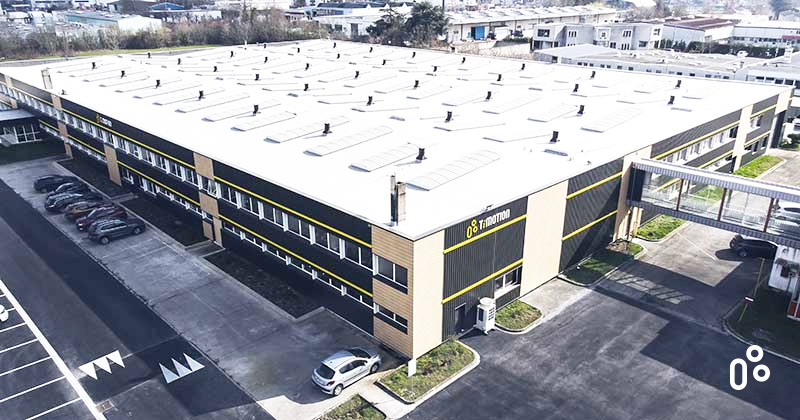
Why TiMOTION is the ideal partner for your automation projects
Part 2: Components Of An Electric Linear Actuator
Part 1: What is an Electric Linear Actuator? Definition & Types Explained
Introduction- Get The Essential Facts About Actuators
IP54 to IP69K Waterproof Linear Actuators
12V Linear Actuators: Power from 1000N to 10000N
TiMOTION Compact Linear Actuators: Applications and Models

Part 5: Dustproof And Waterproof Linear Actuator's IP Rating
10 Reasons To Choose Electric Linear Actuators
 Contact Us
 Locations